TO EDUCATE
◆
TO PROCLAIM
◆
TO TRANSFORM
JOIN US
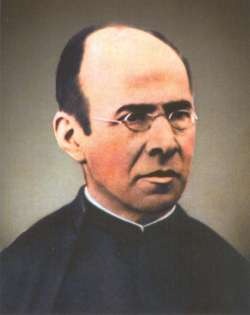
A Spanish Piarist priest who united deep faith with scientific inquiry, founded the Calasanzian Sisters (Daughters of the Divine Shepherdess), pioneered women's education, and prepared natural medicines to serve the suffering.
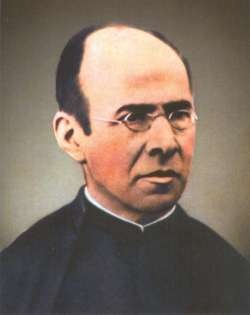
St. Faustino Míguez González was born as Manuel Míguez González on 24 March 1831 in Xamirás, Ourense, Spain. From an early age he showed a deep love for nature, especially plants, and a strong desire to know God. His interest in science and his growing vocation to the priesthood developed together during his years of study.
Inspired by his faith and encouraged by his brothers who were also preparing for priesthood, Manuel entered the Piarist Order in Madrid in 1850, taking the religious name Faustino of the Incarnation.
After completing his philosophical, theological, and scientific studies, he made his solemn profession in 1853 and was ordained a priest on 8 March 1856.
As a Piarist priest, he served in several schools throughout Spain and briefly in Cuba. He became widely respected as an outstanding educator, patient confessor, spiritual guide, and faithful son of St. Joseph Calasanz.
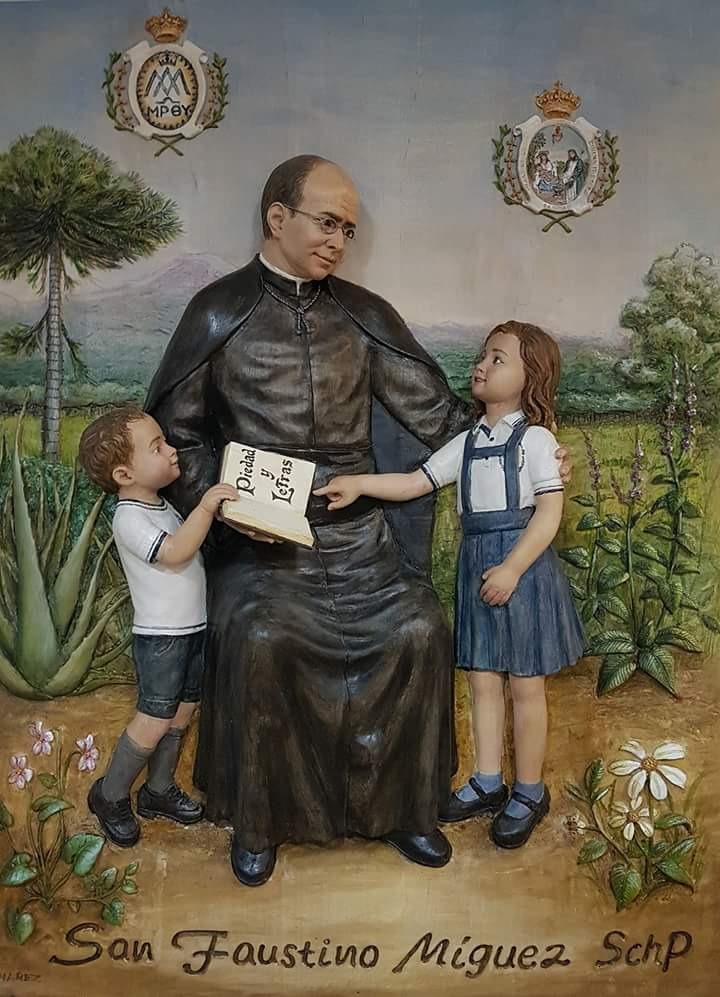
St. Faustino believed that education was the most effective way to transform society.
While serving in southern Spain, he encountered many girls and women who were poor, marginalized, and unable to receive an education. Deeply moved by their situation, he dedicated his life to promoting their dignity through Christian education.
On 2 January 1885, he founded the Daughters of the Divine Shepherdess, also known as the Calasanzian Sisters, whose mission is to educate children and young women according to the educational spirit of St. Joseph Calasanz.
Alongside his ministry as a priest, St. Faustino was an accomplished student of the natural sciences.
He carefully studied medicinal plants and prepared natural remedies for people suffering from illness, always considering scientific knowledge to be a gift from God for the service of humanity.
His work united faith, education, and science, demonstrating that scientific research and Christian charity can work together for the good of society.
St. Faustino lived a life marked by humility, prayer, and generous service.
He spent long hours celebrating the Eucharist, hearing confessions, teaching young people, and accompanying those in need. His patience, wisdom, and kindness attracted countless people seeking both spiritual and physical healing.
His entire priesthood reflected the Piarist ideals of faith, education, simplicity, and love for the poor.
From 1888 until his death, St. Faustino lived in Getafe, where he continued guiding his religious congregation and serving God's people.
After a lifetime dedicated to education, science, and pastoral ministry, he peacefully died on 8 March 1925 at the age of ninety-three.
His congregation continues its educational mission in many countries, including India, faithfully carrying forward his vision.
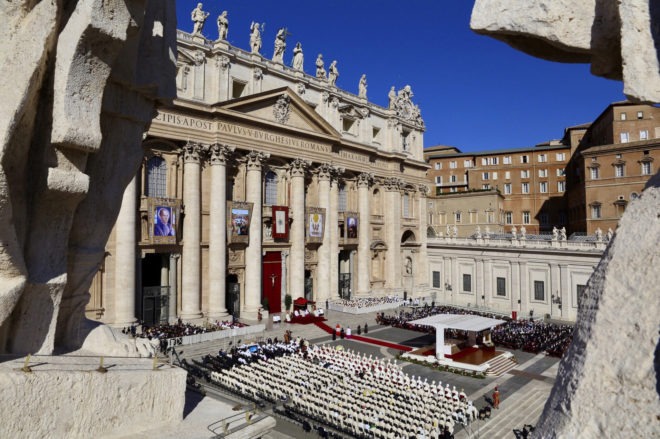
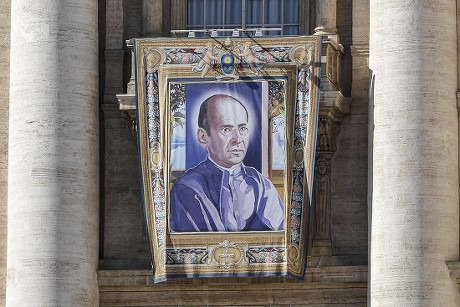
The Church officially recognized the holiness of St. Faustino Míguez González through the process of canonization:
Today he is honored as a saint whose life united education, scientific inquiry, pastoral charity, and unwavering faith.
St. Faustino Míguez González remains an inspiring example of:
His life continues to inspire educators, scientists, priests, religious, and young people to use their talents in the service of God and humanity.
"Education, enlightened by faith and guided by love, has the power to transform both individuals and society."