TO EDUCATE
◆
TO PROCLAIM
◆
TO TRANSFORM
JOIN US
Explore four centuries of educational devotion, holy lives, and intellectual excellence — dedicated to educating the poorest children for the glory of God.
Four centuries of Piarist mission, education and service across the world.
The journey of the Piarist mission in India, from its beginnings to the present.
From the first steps of the Piarist mission in India to a growing presence among the young and the poor.
Rooted in the sacramental life of the Church and Eucharistic adoration, our communities are centers of prayer nourishing apostolic mission.
Following the legacy of St. Joseph Calasanz, providing holistic academic, human, moral, and spiritual education to children and youth.
Communities where religious life, prayer, fraternity, and common mission are lived together in joyful apostolic brotherhood.
A preferential option for the poor and vulnerable, bringing hope, dignity, and life opportunities to children at the margins of society.
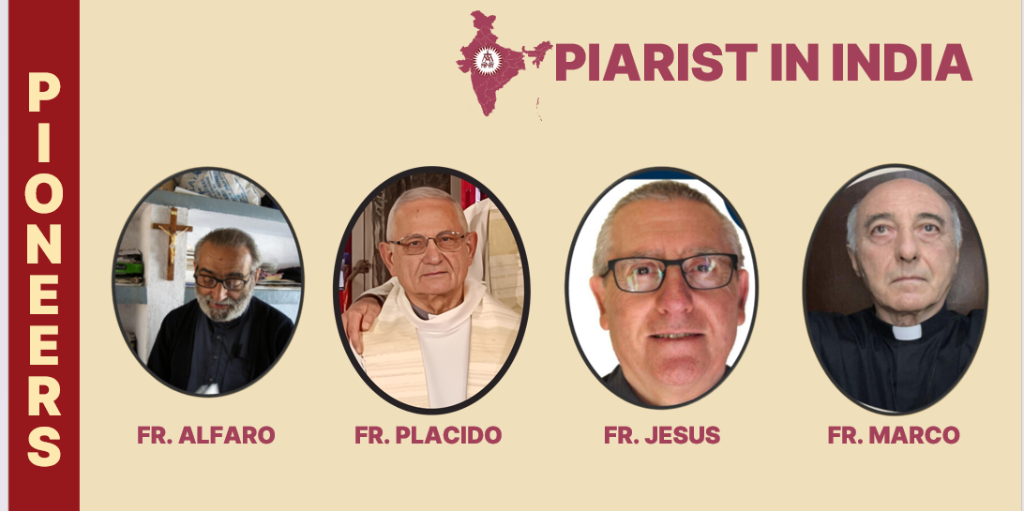
The pioneers who laid the foundation for the Piarist presence in India.
The Piarist presence in India grew from a small beginning into a continuing mission of education, formation, community and service. The early years at Aroor remain an important part of this journey.
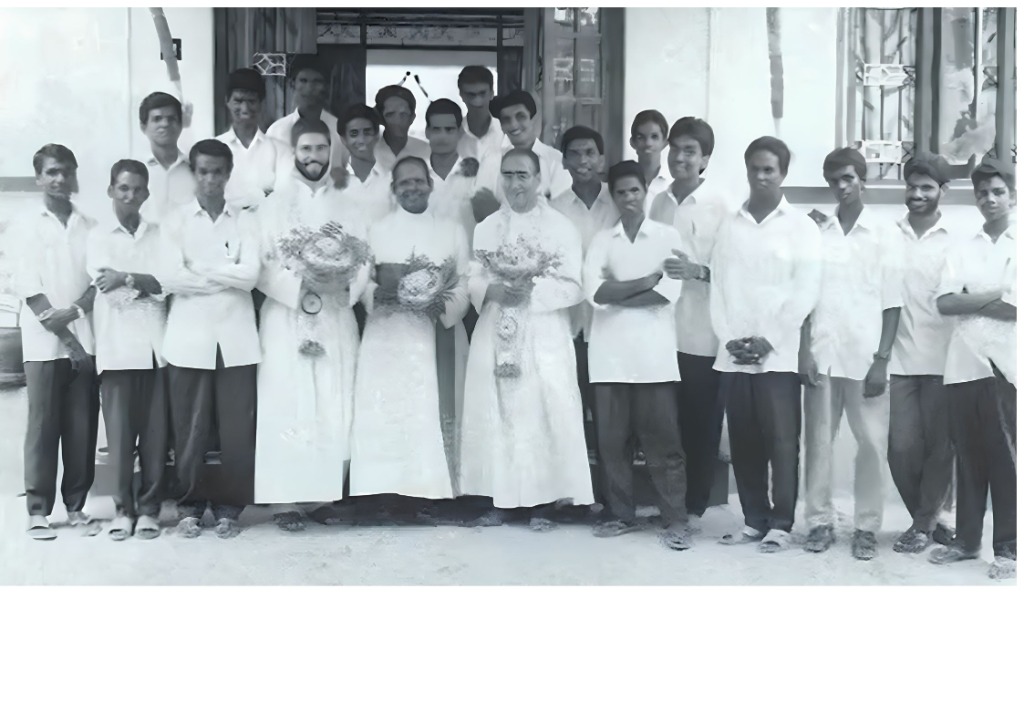
“Early Piarist community in India”
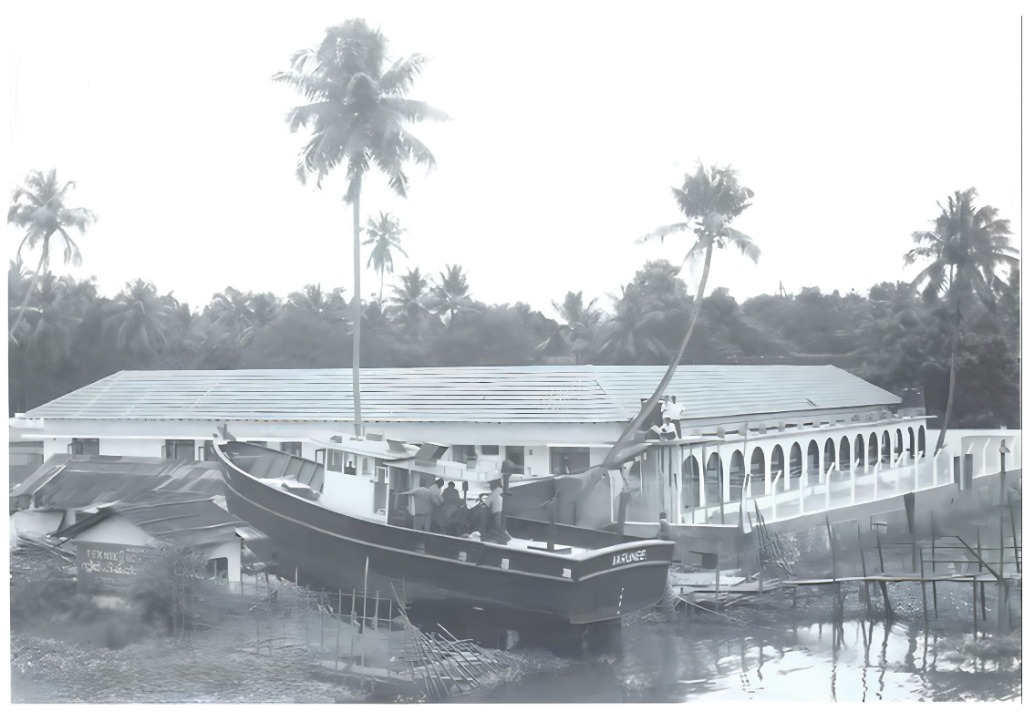
“An early setting of the mission”
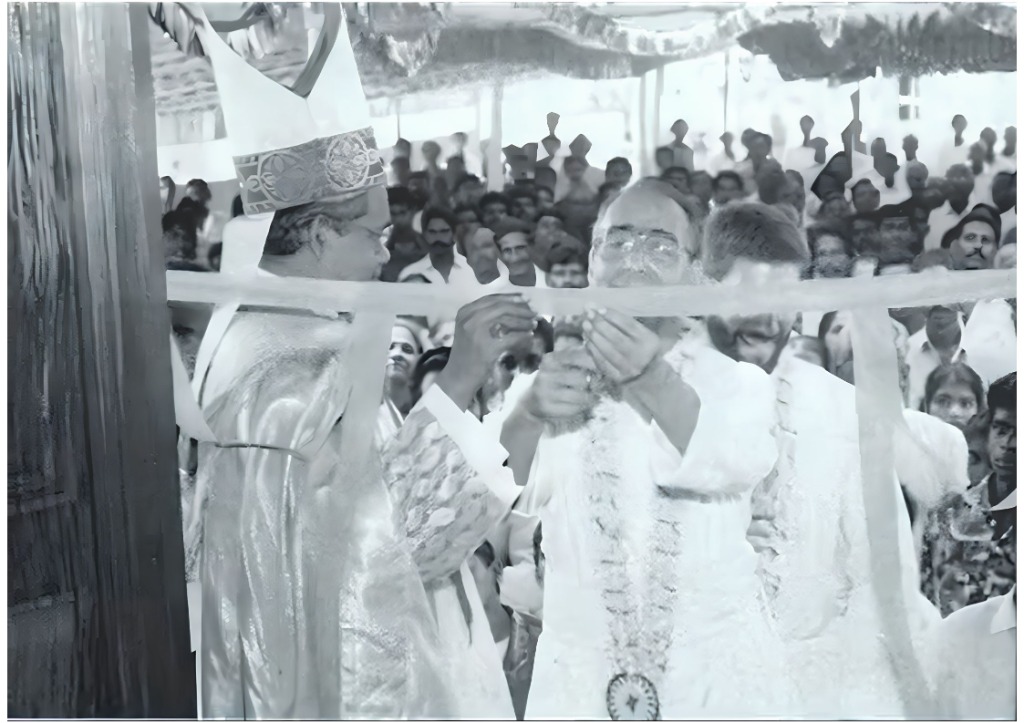
“Faith and mission in the early years”
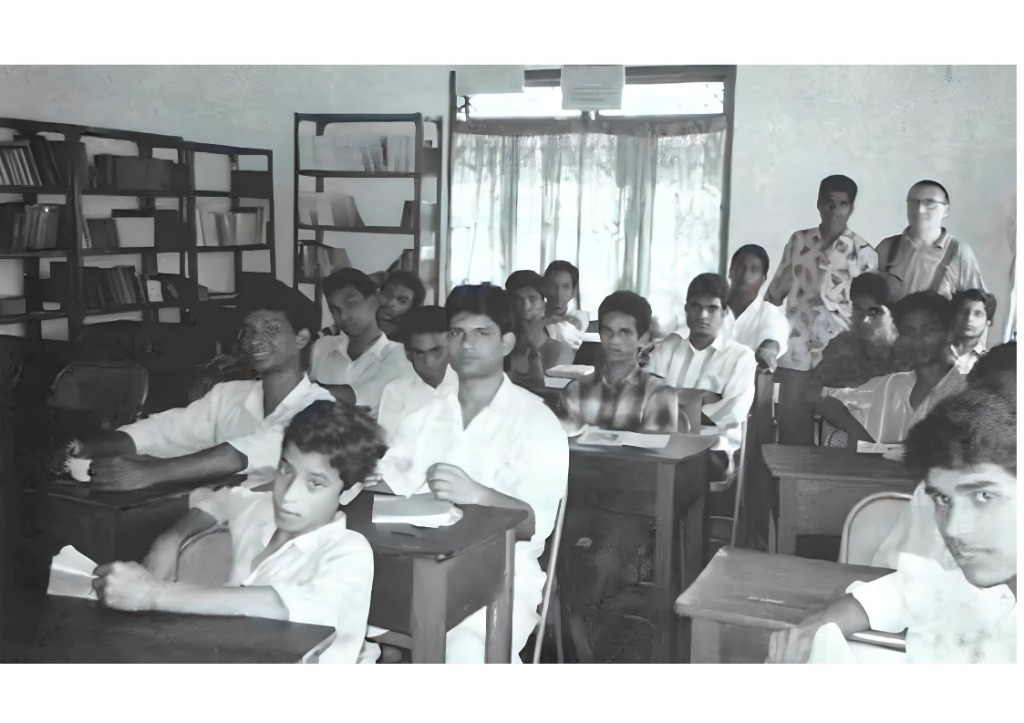
“Education at the heart of the mission”
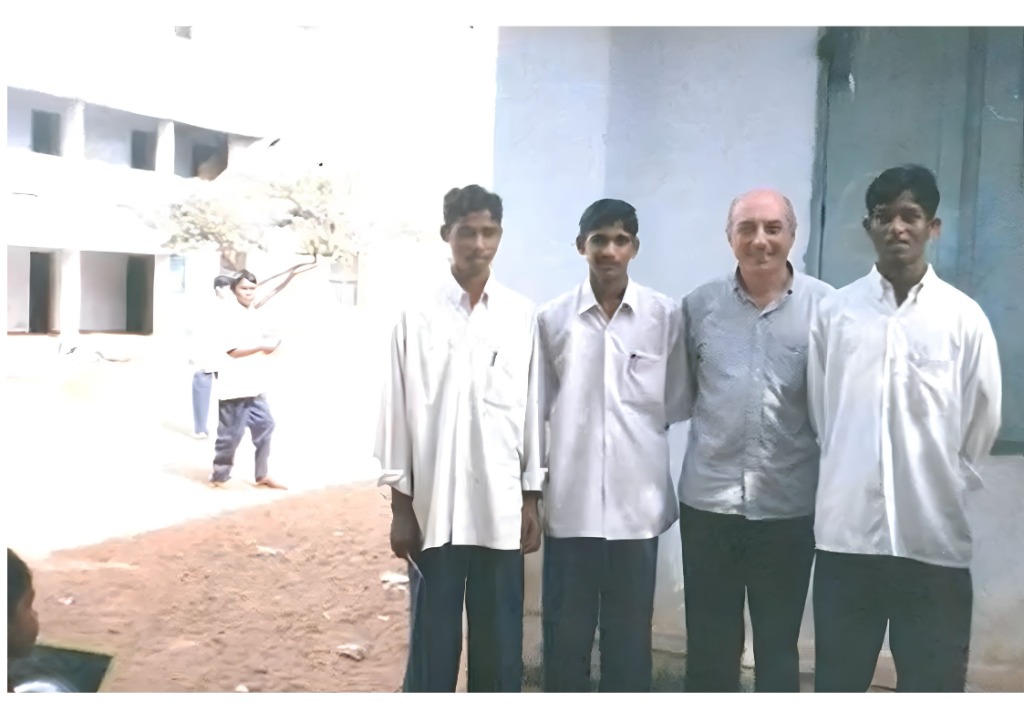
“Walking with young people”
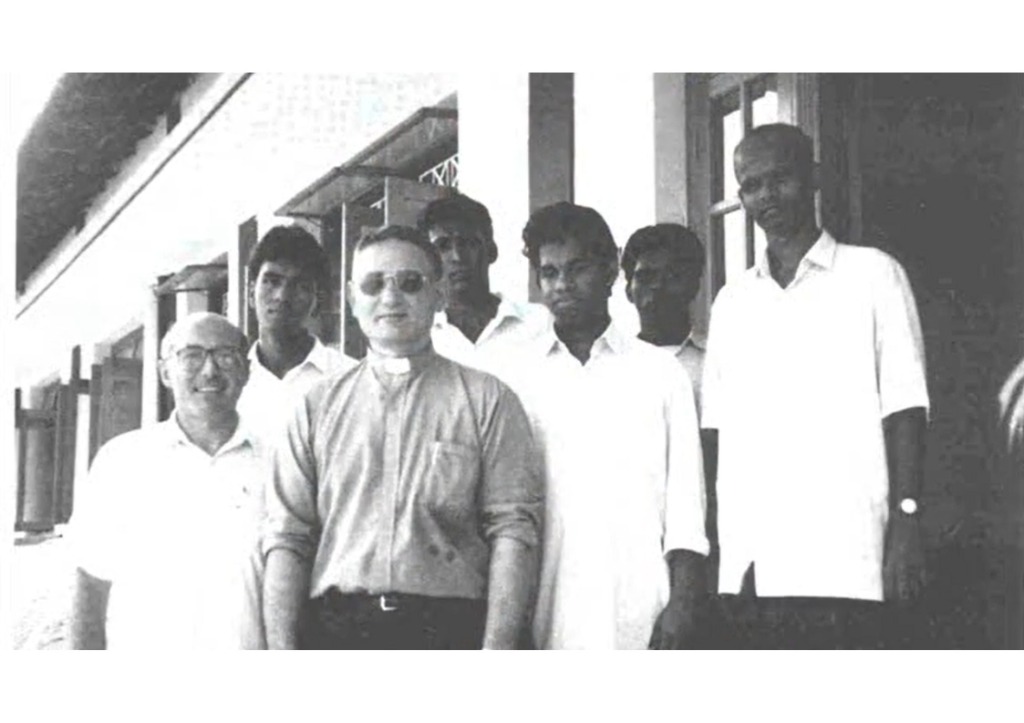
“Early Piarist Community at Aroor”
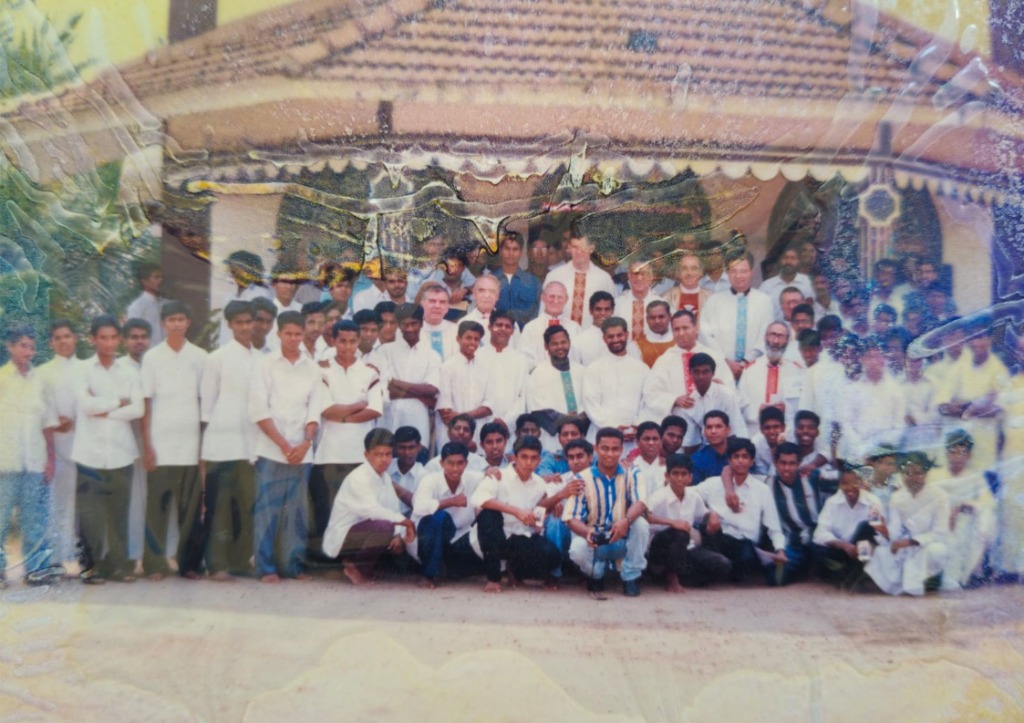
“The Growing Piarist Mission in India”
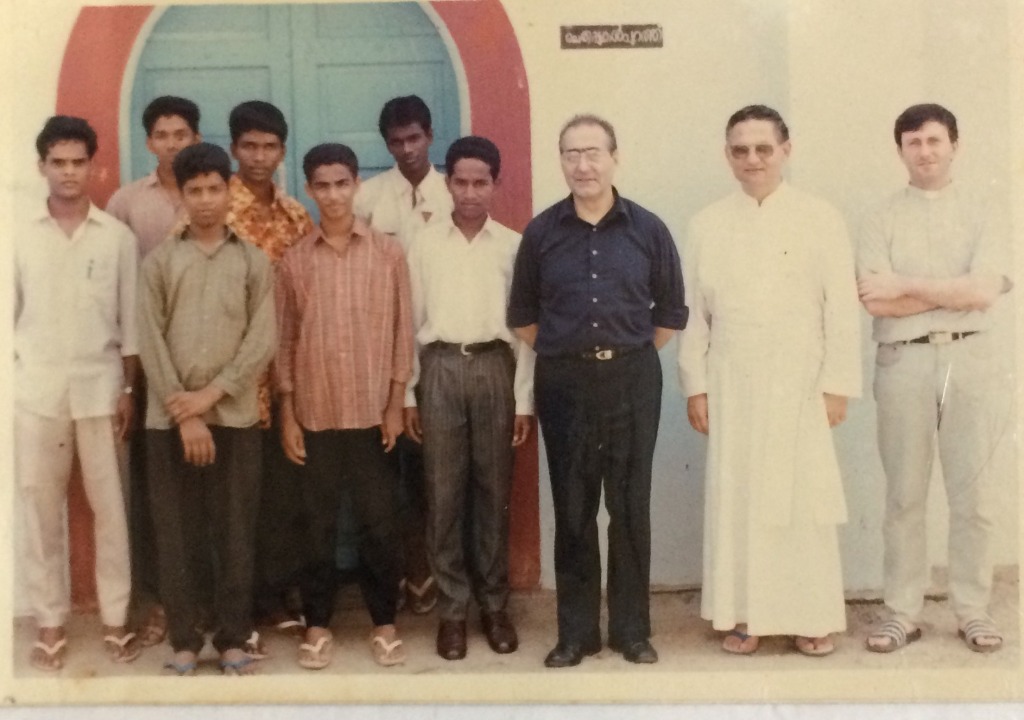
“Piarist Fathers & Early Candidates”
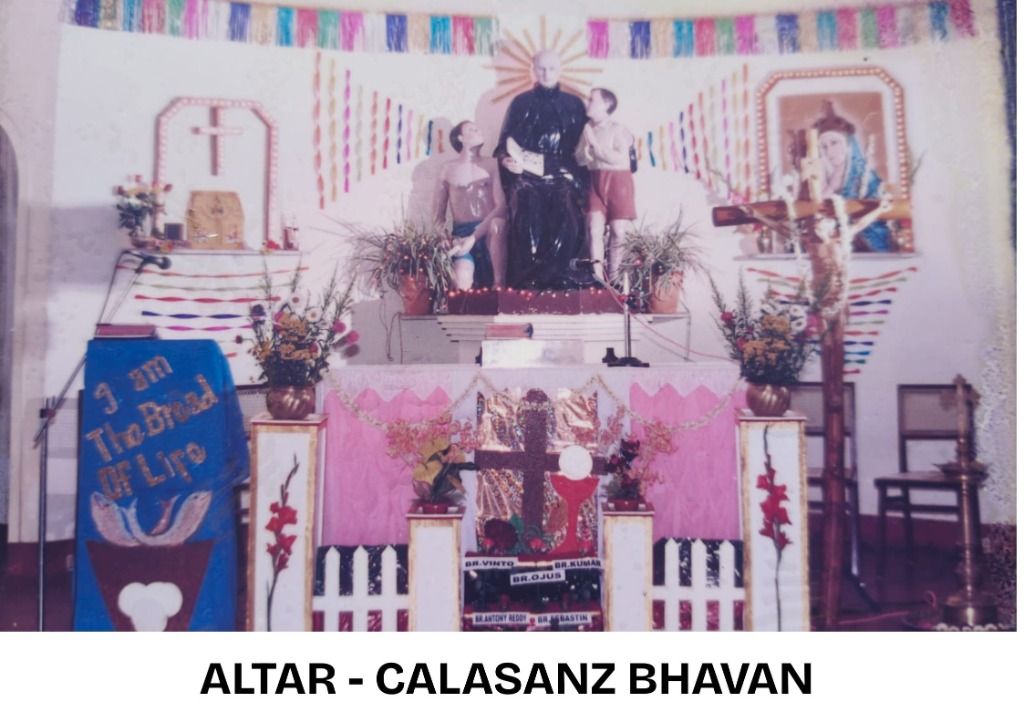
“Altar – Calasanz Bhavan”
From a small missionary seed planted in Aroor, Kerala in 1994 to a vibrant, expanding Indian Piarist family.
The Piarist presence in India began on 10 January 1994, marking the beginning of a new chapter in the history of the Order. The initiative came from the Province of Argentina, which sent Fr. José Alfaro, Sch. P., to India as a pioneer missionary, accompanied by other Piarist missionaries including Fr. Placido Menditto, Sch. P.
Their purpose was clear: to sow the seed of the Piarist charism, promote vocations, and establish the mission of the Pious Schools in the Indian context. A formation house named Calasanz Bhavan was established at Aroor, becoming the birthplace and cradle of the Piarist mission in India.
The early years were dedicated particularly to vocation promotion and initial formation. Young Indian candidates entered the Piarist formation programme and were accompanied in their spiritual, human, and academic formation.
The young Piarists pursued philosophical and theological studies while the missionaries explored new possibilities for the apostolate in India. The vision was already larger than the small beginnings:
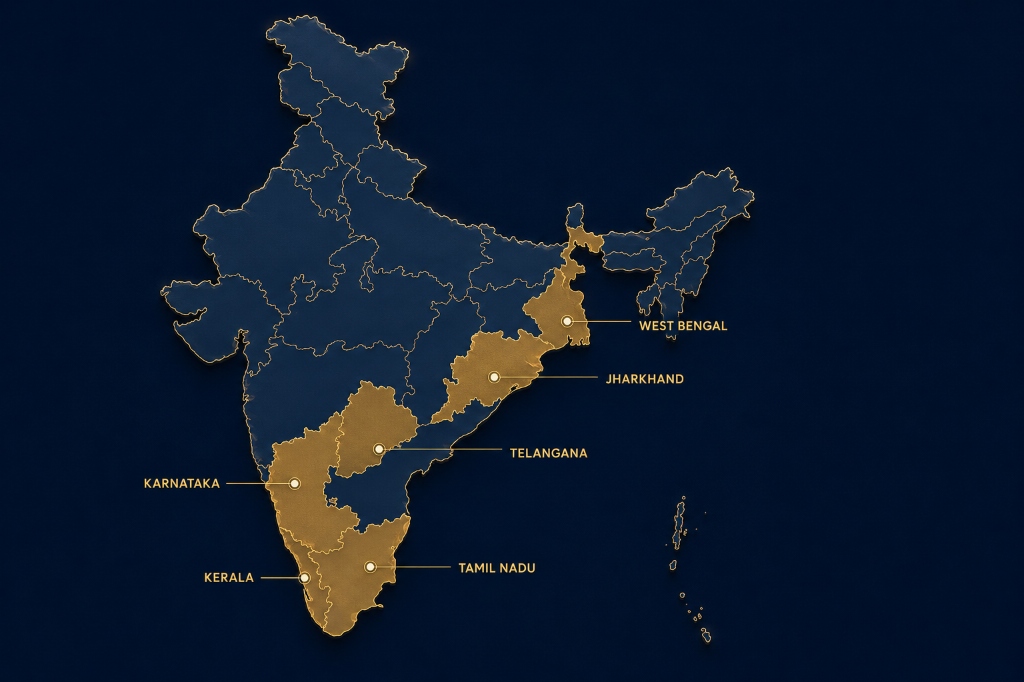
As the number of young candidates increased, the Piarists needed a suitable place for higher studies and philosophical-theological formation. In 2002, the Piarists established their presence in Bangalore, Karnataka.
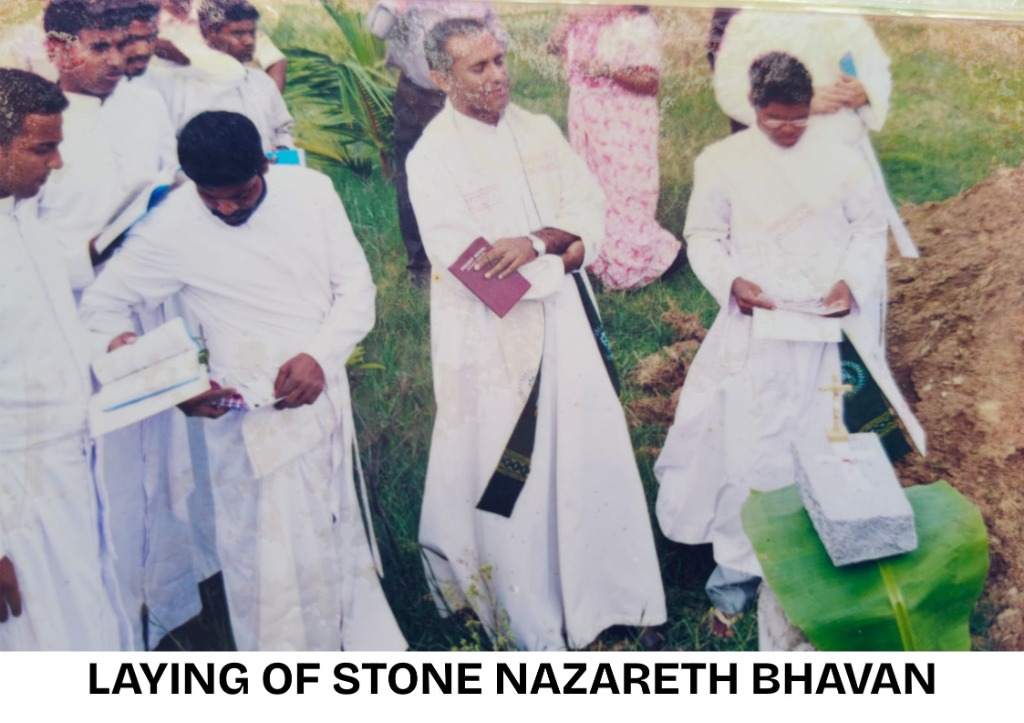
Initially residing in rented accommodation, the community eventually established Nazareth Bhavan at Kithaganur, Bangalore, which became a foundational center of theological formation and intellectual growth.
In 2003, the Piarists expanded their mission to Kamda in the Diocese of Khunti, Jharkhand. Fr. José Alfaro went to Jharkhand and began a new Piarist mission involving a school and hostel, bringing the Calasanzian educational vision to tribal and rural youth.
The same year, a new formation initiative began at Deva Matha Illam, Mantharamputhoor, Kanyakumari District, Tamil Nadu, serving as an important center for initial accompaniment. The Piarist presence had now moved across Kerala, Karnataka, Jharkhand, and Tamil Nadu.
In 2004, the Piarists took up a new mission involving a Boys' Home at Aryanad in the Diocese of Neyyattinkara. This mission expressed a central Piarist conviction: education is not simply academic instruction; it is a means of giving children dignity, opportunity, faith, and hope.
The development of the Piarist presence in Bangalore continued to flourish. Nazareth Bhavan became a cornerstone for the spiritual and intellectual formation of young Piarists. The Piarists were increasingly becoming a mature Indian religious presence.
By 2010, the number of Piarist priests and religious in India had increased significantly. The growth of vocations, local communities, and apostolic works demonstrated that the Piarist charism had deeply taken root in the Indian Church.
The educational mission at Aryanad took another monumental step with the foundation of Villa Nazareth English Medium School (Foundation Stone: 15 April 2011; Blessing & Inauguration: 3 May 2011). The school provides quality education grounded in Christian values and holistic personal development.
The Piarist educational apostolate expanded in Tamil Nadu. The foundation stone was laid in 2011, and in 2012 the new building of St. Joseph Calasanz English Medium School, Kanyakumari was blessed and inaugurated, serving underprivileged rural and coastal children.
By 2013, India possessed multiple active communities, educational institutions, pastoral missions, and a growing body of indigenous Indian priests and formators capable of carrying the mission forward autonomously.
Formation remained the heartbeat of the mission. The Piarists continued accompanying candidates through every stage — aspirancy, postulancy, novitiate, philosophical and theological studies — while expanding pastoral reach.
In 2017, Casa Calasanz at Bethery, Kerala was established as a new formation house, further reinforcing the vocation promotion network and the accompaniment of young candidates.
A new chapter in Piarist formation began at Topra in Khunti District, Jharkhand. Calasanz Nivas was established as a formation house for young candidates beginning their journey towards Piarist religious life.
On 12 January 2024, Calasanz Nivas, Topra was blessed and solemnly inaugurated by Most Rev. Fr. Pedro Aguado, Sch. P., Superior General of the Order of the Pious Schools, in the presence of Piarist superiors, priests, religious, candidates, and local communities.
On 3 May 2025, the Piarist educational mission entered a new state with the opening of Calasanz International School at Pochampally, Telangana (Sy No: 110/8/1, C/o Sat Guru Sangh Charitable Trust, Pochampally GP, Manakondur Mandal, Karimnagar District).
Offering comprehensive education from Pre-KG through Grade 12, the institution represents a dynamic expansion of the Calasanzian charism into new regions of India.
Candidates from diverse states across India — especially Jharkhand, Odisha, Assam, Kerala, and Tamil Nadu — continue to enter Piarist formation, living together in fraternity, study, and spiritual discernment.
From the arrival of the first missionary Piarists in Aroor in 1994 to the flourishing network of today, the Piarist Fathers in India celebrate more than 30 years of continuous apostolic presence.
With over 62 priests, multiple formation communities, schools, and pastoral ministries, the story is a vibrant testament to Indian Piarists carrying the flame of St. Joseph Calasanz.
From the first schools of St. Joseph Calasanz in Rome, the Piarist mission gradually crossed borders and continents. Through foundations, provinces, missions and schools, the charism of “Piety and Learning” spread from Italy throughout Europe and eventually across the Americas, Africa and Asia.
St. Joseph Calasanz begins his educational mission in Rome, opening a free school for poor children in the sacristy of Santa Dorotea in Trastevere. This pioneering work places education at the service of children regardless of social or economic background.
The Piarist religious community is formally established on 25 March 1617. The educational mission of Calasanz begins to take shape as a religious vocation dedicated to children, especially the poor.
The community receives formal ecclesiastical recognition and continues to develop its educational mission in Rome and beyond.
A major early Piarist development takes place in Liguria, with foundations connected with Carcare and Genoa. This becomes one of the roots of the later Italian provincial structure.
The Roman foundations develop into an important centre of the growing Piarist Order. Rome remains at the heart of the Piarist educational mission.
The Piarist mission expands southward into Naples, establishing another important centre of education and religious life.
The Piarists establish a significant presence in Tuscany, creating another major centre of the Order’s educational mission.
The Piarist mission crosses the Italian borders and reaches Central Europe. The Province of Bohemia–Moravia is erected from the large German province, with houses in Silesia, Moravia and Bohemia.
The Piarist Order experiences one of the most difficult periods in its history. In 1646, the Order is suppressed as a religious institute and its members are deprived of the full status and privileges they had previously enjoyed.
After a decade of suppression and uncertainty, Pope Alexander VII restores the Piarist congregation in 1656. The Order returns to its educational mission, although without all the privileges it had previously possessed.
The privileges of the Order are progressively restored, strengthening the Piarists once again as a recognised religious institute dedicated to education.
The German province develops further, with Polish foundations becoming part of the growing Central European Piarist network. Foundations such as Warsaw and Podoliniec become important centres of the Order.
Pope Clement IX restores the Piarists to the condition of regulars. The Order continues its development and expansion.
The Piarist presence in Hungary develops into a distinct structure, beginning with a commissariate under the German province.
The Hungarian houses become a vice-province, marking the growing strength of Piarist education in the region.
On 7 March 1721, the Hungarian Province is erected as an independent province. Piarist schools continue to flourish in towns including Privigye, Murány, Pest and other Hungarian centres.
The Province of Aragon is established in Spain, marking an important stage in the expansion and consolidation of the Piarist mission in the founder’s homeland.
The Piarist presence in Catalonia becomes a distinct province, strengthening the Order’s educational mission in Barcelona and throughout the region.
The Austrian foundations are separated from the German province and develop as a distinct Piarist province. Piarist schools experience significant growth in Central Europe.
The Piarist mission expands further in Spain with the establishment of the Province of Castile.
The Piarists establish their first community outside the European continent. Father Basilio Sancho, appointed Archbishop of Manila, arrives in Manila in March 1767 accompanied by four Piarists. The Piarists assist in the First Provincial Synod of Manila, work in the diocesan seminary and serve at St. Joseph’s School, previously administered by the Jesuits.
Following the death of Archbishop Basilio Sancho in 1787, the Piarists leave the Philippines and return to Spain.
The Piarist presence in eastern Spain develops further with the establishment of the Province of Valencia.
Following the movement of Piarists from Spain to Cuba, Bishop Anthony M. Claret invites the Order to establish a college for the formation of Cuban teachers in Guanabacoa. The first canonical Piarist foundation in the Americas is established in Cuba in 1857.
The Piarists establish the first teachers’ college in Puerto Rico at Santurce. The foundation represents another important step in the development of the Piarist educational mission in the Americas.
The Piarists establish a school in New Orleans in the early twentieth century. Although the foundation does not last, it becomes part of the Order’s early attempts to establish a lasting presence in the United States.
Fr. Enrique Pobla travels to Los Angeles to explore possibilities for a Piarist foundation in the United States.
Archbishop John Cantwell entrusts the care of St. Martha Parish in Vernon to the Piarists. Fr. Enrique Pobla celebrates his first Mass there on the Saturday before the Solemnity of Christ the King.
The Piarists are entrusted with the care of Our Lady of Guadalupe Parish in Pasadena.
The Piarists are entrusted with Mary Help of Christians Parish in East Los Angeles, establishing another important centre of their ministry in California.
On 8 May 1954, Father Louis Kovari becomes the first Piarist ordained in the United States.
The Piarists acquire the former Lea Estate in Devon, Pennsylvania, and establish Devon Preparatory School, expanding their educational mission in the United States.
The Piarist mission develops into a vice-province in Colombia, strengthening the Order’s presence in South America.
The Piarists return to Puerto Rico in June 1956 to serve at Our Lady of Montserrat Parish in Salinas and later at The Catholic University of Puerto Rico.
The Piarist presence develops into a vice-province in Brazil, marking another major expansion of the educational mission in South America.
A Piarist vice-province is established in Central America as the Order continues its expansion throughout Latin America.
The Piarist mission develops into a vice-province in Chile.
The Piarists establish another vice-province in Venezuela, extending their educational and pastoral mission across South America.
The Provincial Delegation of New York and Puerto Rico is erected on 30 August 1960. The House of Ponce is canonically established on 26 November 1960.
The Piarists make another attempt to establish themselves in New Orleans. Although the foundation lasts only one year, it forms part of the wider history of their American expansion.
The Province of Argentina is erected in 1964. It becomes the first Piarist province established in the Americas.
The Piarists establish a community in San Juan, strengthening their long-term presence in Puerto Rico.
The Province of the United States is established in 1975 after decades of Piarist ministry in American schools and parishes.
The Piarist presence in Mexico develops into a provincial structure, consolidating decades of educational and pastoral expansion.
The Piarists establish a presence in Bolivia, extending their mission further into the Andean region.
The Piarist presence in Bolivia develops into a vicariate, reflecting the growth of the mission.
The Piarists open a house in Peru, continuing the expansion of the Order’s educational mission in South America.
The Piarists establish an apostolic mission in Senegal, marking the beginning of their presence on the African continent.
The Piarists begin working in Equatorial Guinea, extending their African mission into Central Africa.
Piarists from Poland begin working in Cameroon, establishing another important centre of Piarist education and evangelisation in Africa.
The mission that began in Senegal develops into a vice-province, marking the institutional growth of the Piarist presence in West Africa.
The Piarist presence in Cameroon becomes a vicariate as the mission continues to grow.
The Cameroon mission develops into a vice-province, strengthening the Order’s presence in Central Africa.
The West African mission becomes part of the West African Province, bringing together Piarist works in Senegal, Guinea and neighbouring territories.
The Central African mission develops into the Central Africa Province, combining education, vocation ministry and evangelisation.
The Piarists establish a community in the Congo, continuing the expansion of the mission in Africa.
The Piarists establish a community in Mozambique, extending their educational and pastoral mission into another part of Africa.
After leaving the Philippines in 1787, the Piarists return to the country in 1995. The mission eventually develops across Luzon, Cebu and Mindanao.
The growing Piarist presence in the Asia–Pacific region develops into a provincial structure, supporting schools, vocation ministry, youth ministry and the wider Piarist mission.
The Piarist mission develops a growing presence in India, establishing communities, educational works and vocation initiatives. The Indian mission becomes an important part of the Order’s contemporary expansion in Asia.
The growing Piarist presence in India develops into the Indian Vice-Province, bringing together communities, schools and vocation initiatives across the country.
Over time, the historic Spanish provinces are reorganised into broader contemporary demarcations, including Emaús and Betania.
The Piarist presence in the Andean and Pacific regions develops through the contemporary Province of Nazareth, serving communities in Chile and neighbouring territories.
The former Province of the United States and the New York–Puerto Rico structure are reorganised into the contemporary United States–Puerto Rico Province. The wider demarcation includes Piarist works in the United States, Puerto Rico and associated missions.
From a small school in Rome to a worldwide educational mission, the Piarist charism has crossed continents and generations. Today the Order is present across Europe, Asia, Africa, North America and South America, serving children and young people through schools, communities, pastoral ministry, vocation ministry and social education.
Scroll horizontally • Click any card to open complete profile view
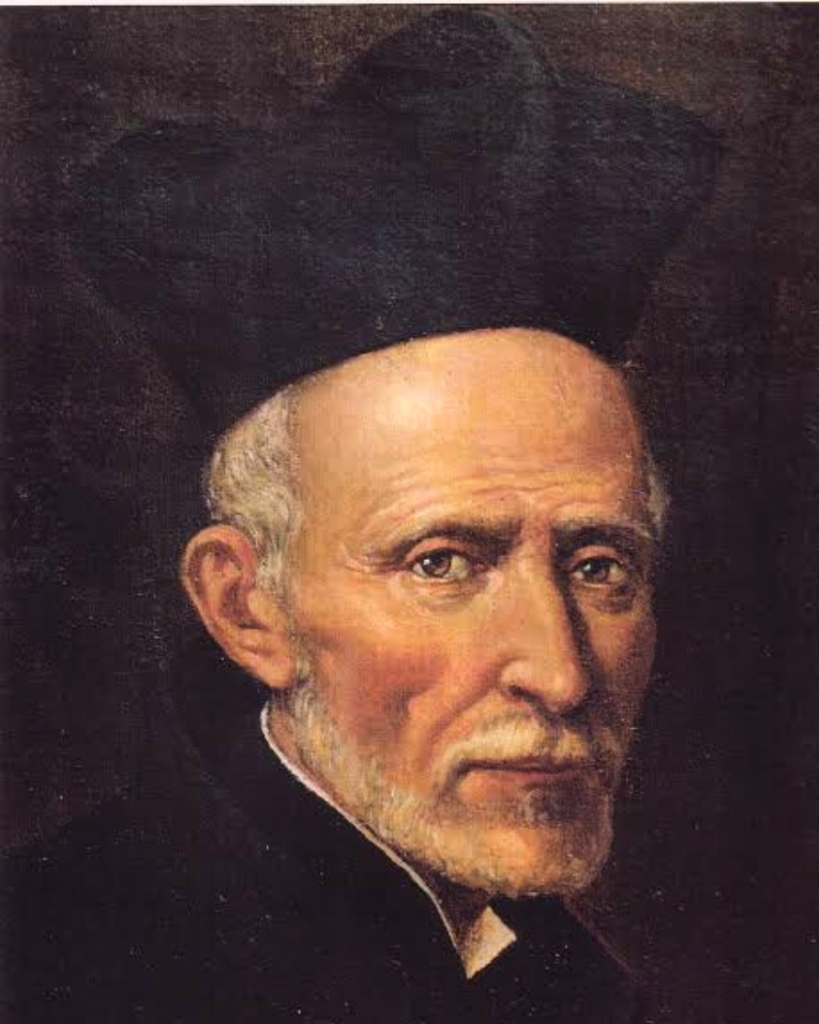
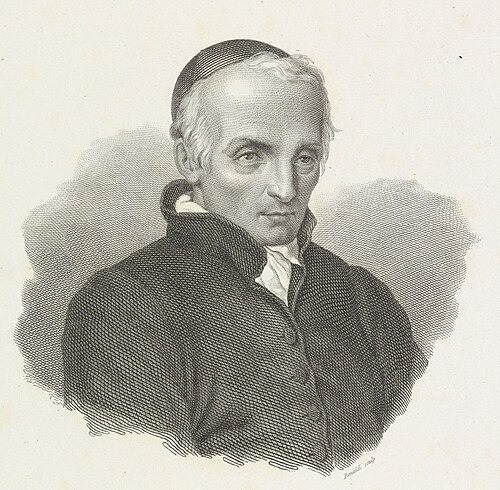
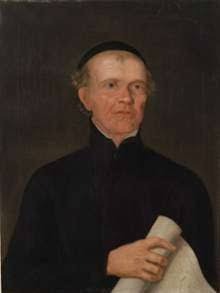
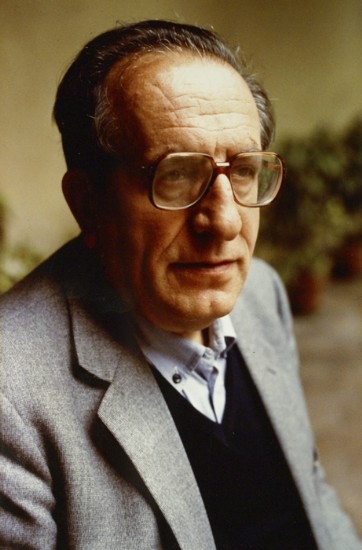
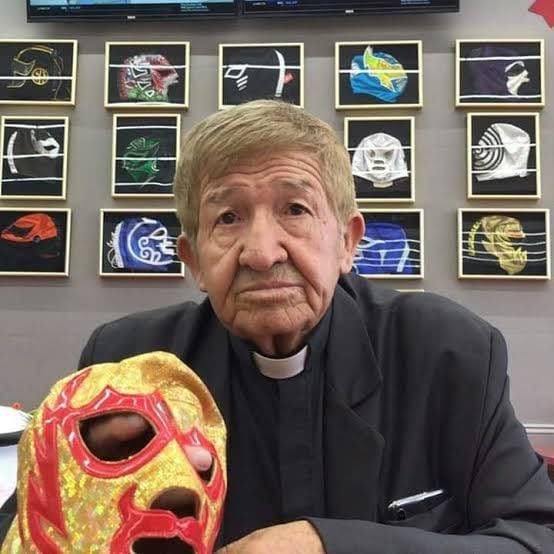
Scroll horizontally • Click any alumni card to view profile
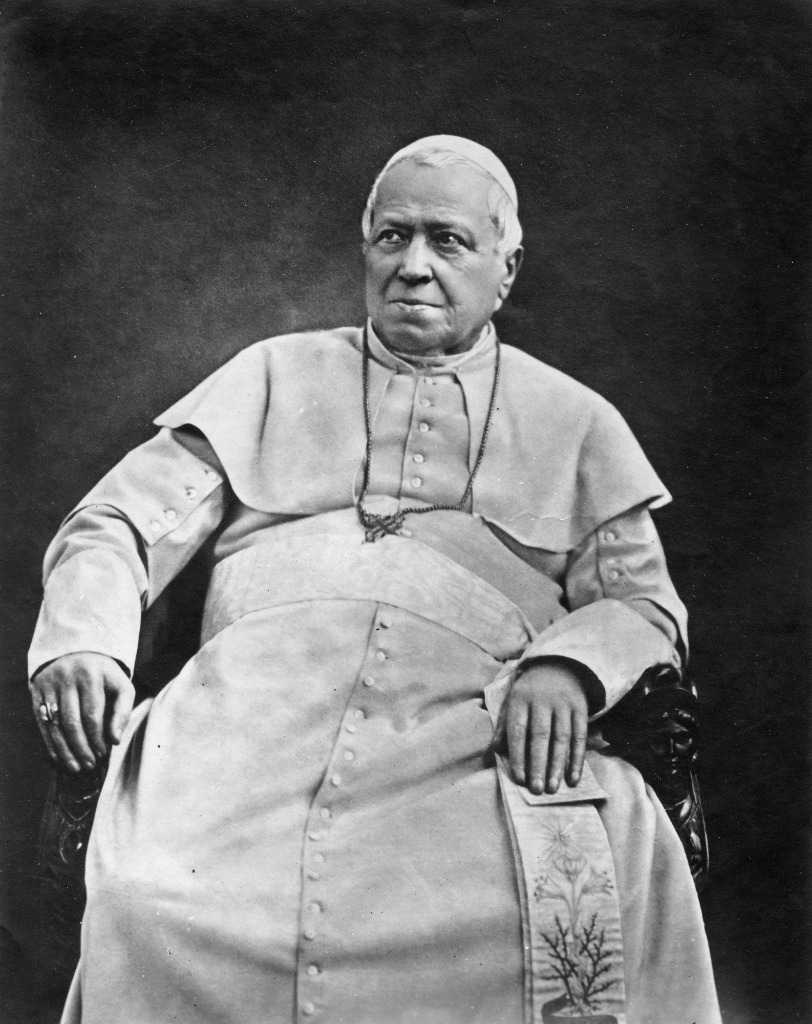
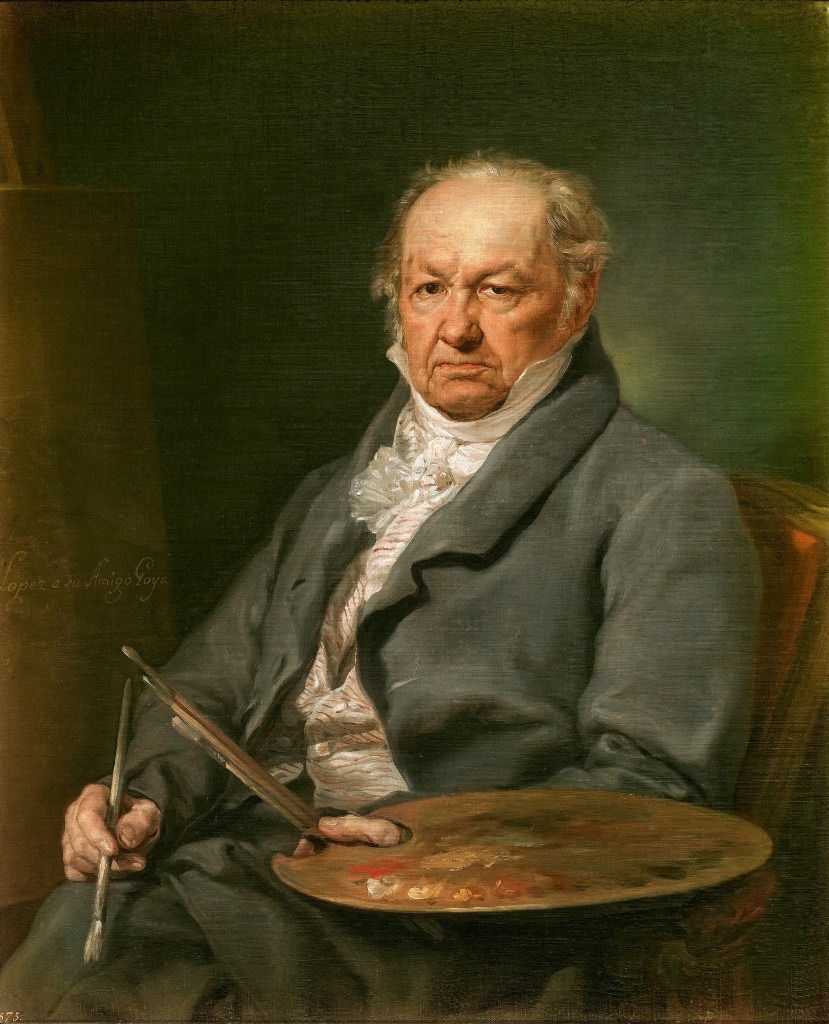
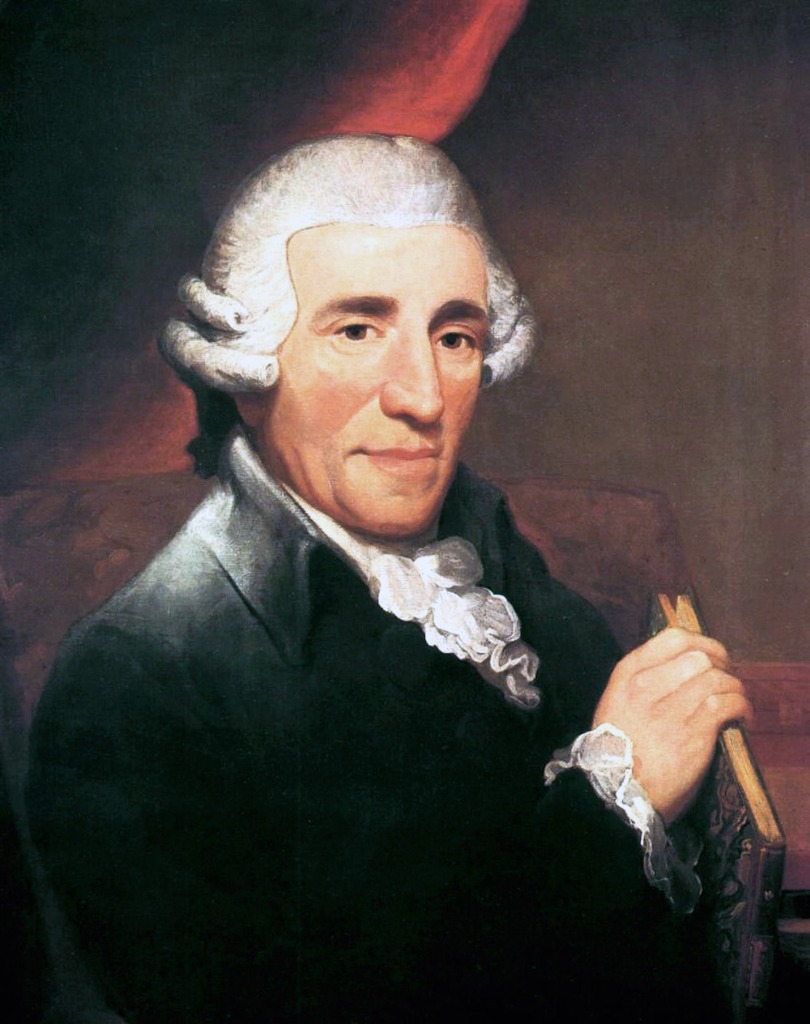
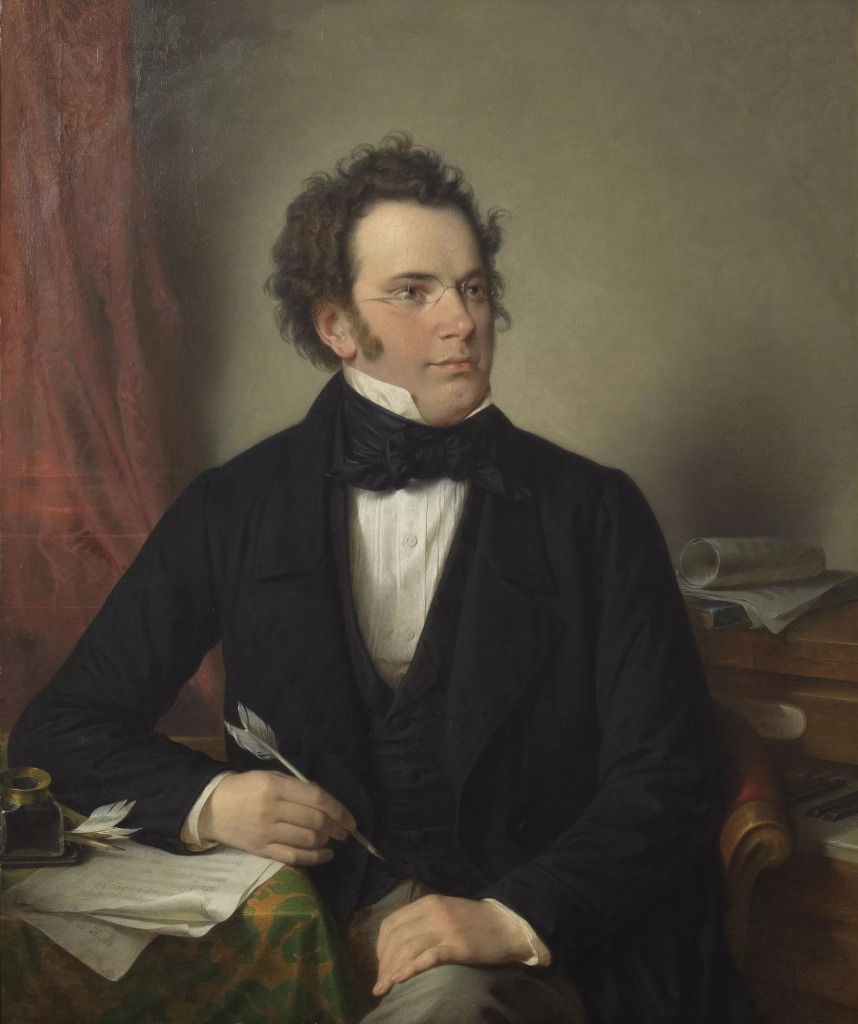
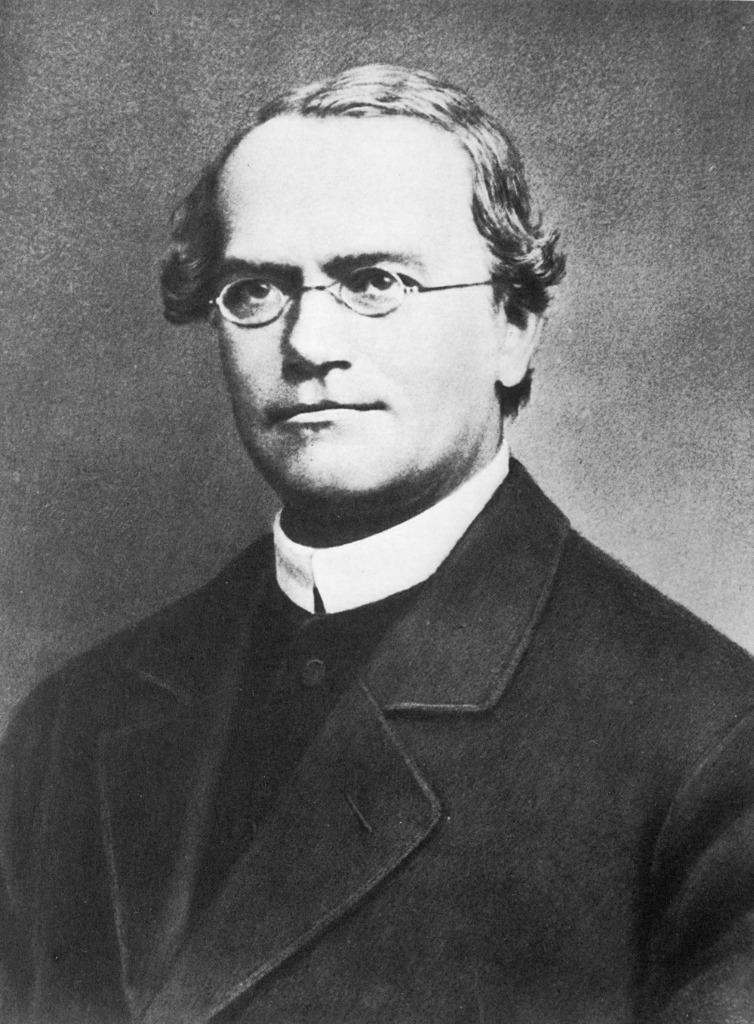
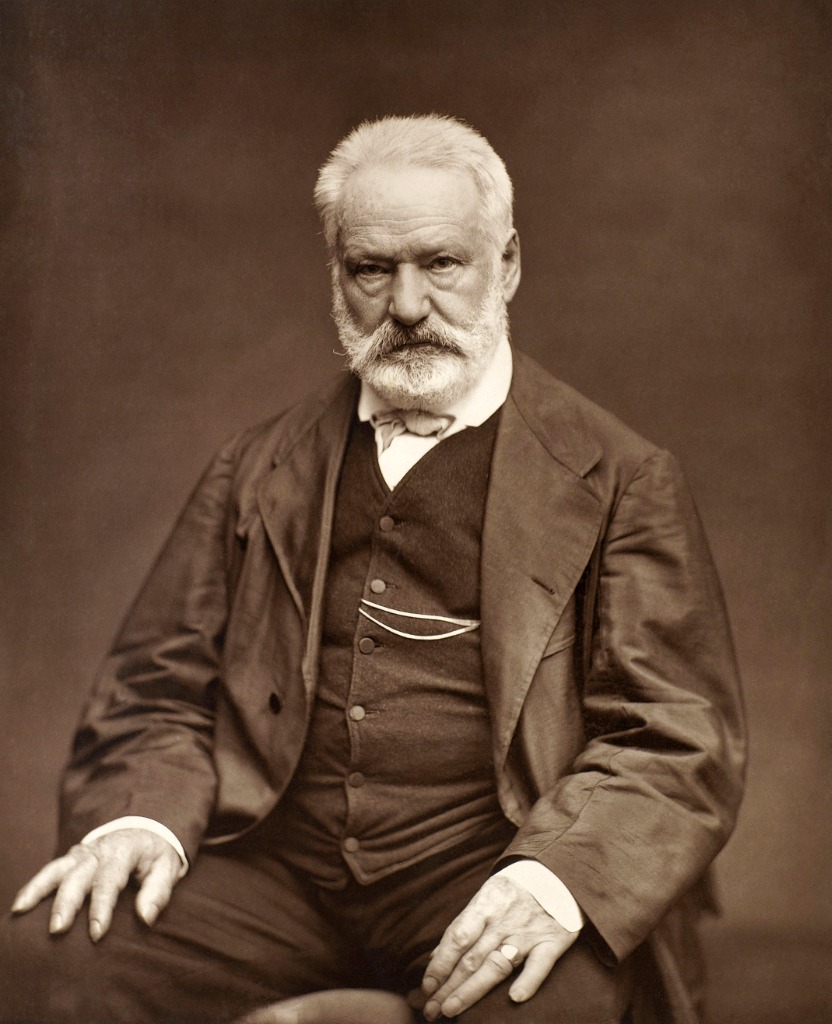
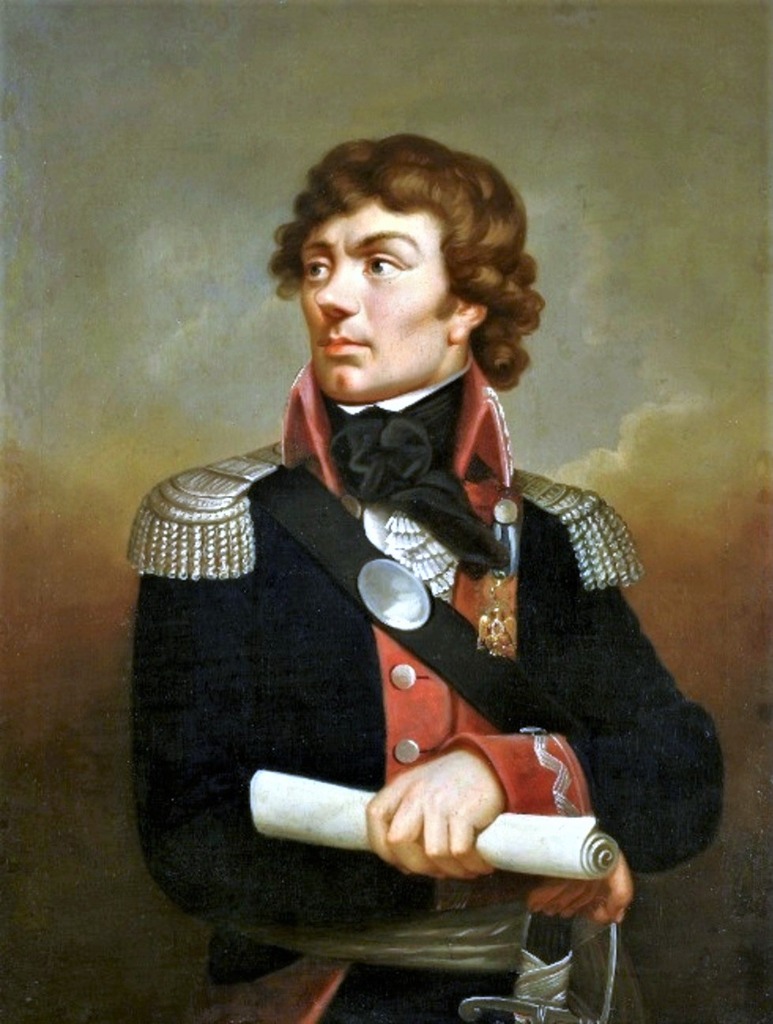
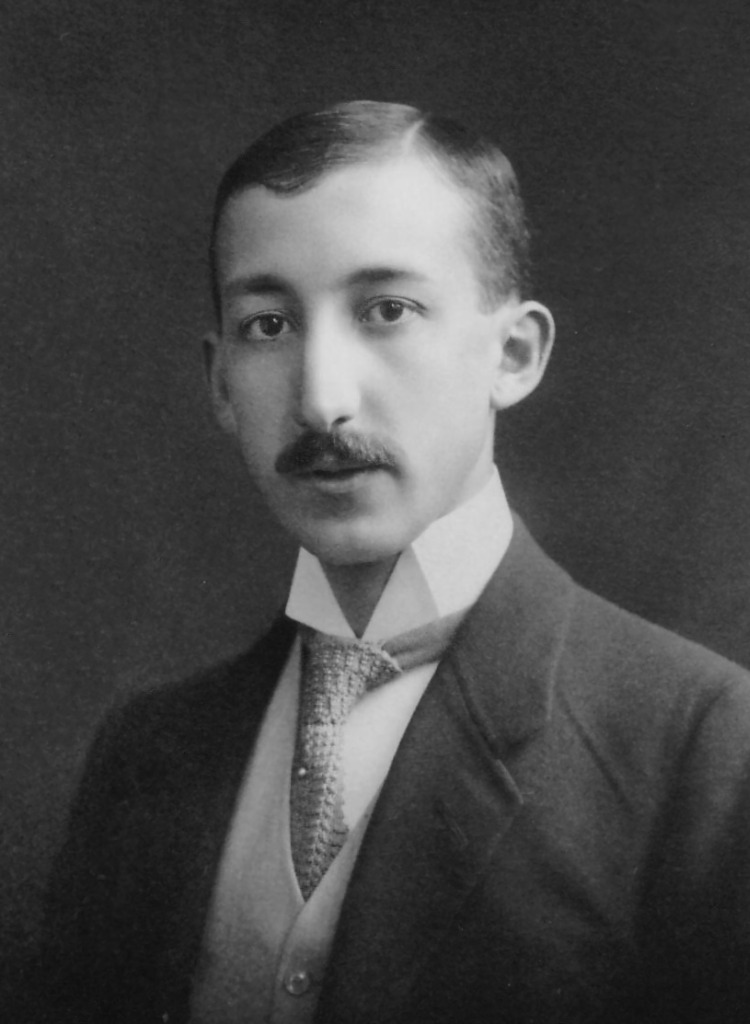
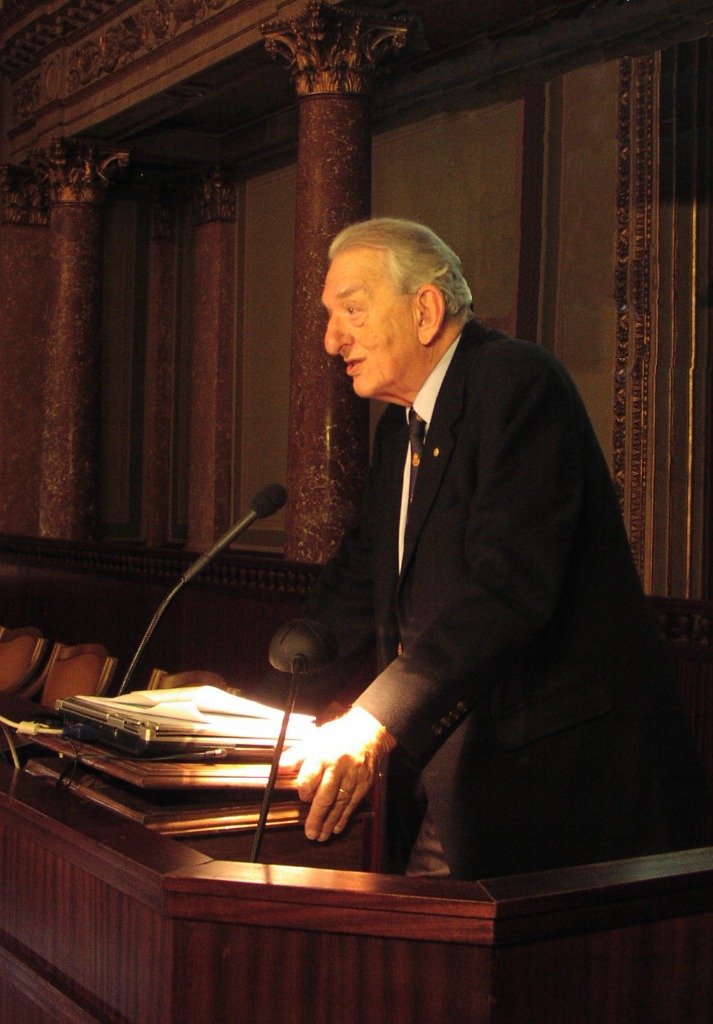
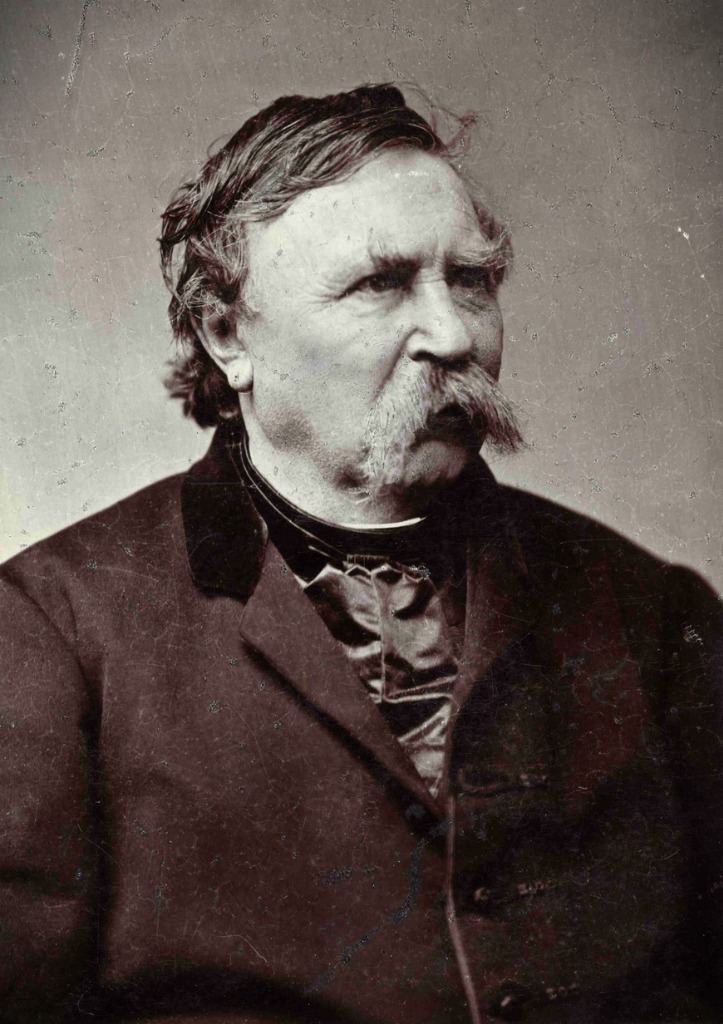
Scroll horizontally • Click any profile to discover their life and contribution to the Church.