
TO EDUCATE
◆
TO PROCLAIM
◆
TO TRANSFORM
JOIN US
Joseph Calasanz was born into a noble family in Peralta de la Sal, Kingdom of Aragon, Spain, on September 11, 1557. From an early age, he showed exceptional intellectual gifts and deep piety, studying at the universities of Estadilla, Lérida, and Valencia.
Ordained a priest in 1583, he served with distinction in Aragon before receiving a mysterious inner call to go to Rome. In 1592, at the age of 34, he arrived in the Eternal City — leaving behind a promising ecclesiastical career, comfortable income, and secure future.
"In Rome I've found the way to serve God by doing good to children and I will not leave it for anything in this world."
— St. Joseph Calasanz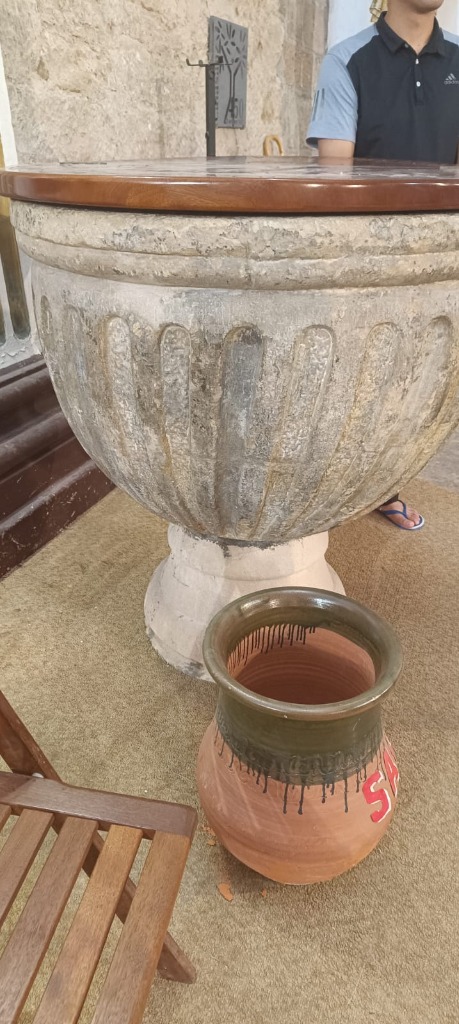
In Rome, Calasanz was shocked by the masses of poor, neglected children roaming the streets — illiterate, without schooling or hope. He proclaimed the universal right to education of all children and fought for it. Though he was chased and persecuted for this reason, he achieved a resounding success as his mission responded directly to the urgent needs of his time.
In 1597, he opened “the first public popular free school in Europe” (Von Pastor) in the sacristy of the Church of Santa Dorotea in Trastevere, Rome. Within months, hundreds of children flooded the school, giving birth to the Piarist Order.
In 1948, Pope Pius XII solemnly proclaimed St. Joseph Calasanz the “Universal Patron of all Christian Popular Schools in the World”, recognizing his permanent legacy in global pedagogy.
He was also a personal friend of Galileo Galilei, advocating that children should be taught science and mathematics alongside humanities and religion — a revolutionary pedagogical advancement for the 17th century.
Explore authentic historical portraits, public monuments, sacred baptismal heritage, and preserved relics associated with the life and ministry of St. Joseph Calasanz. Click any image to view in high resolution.
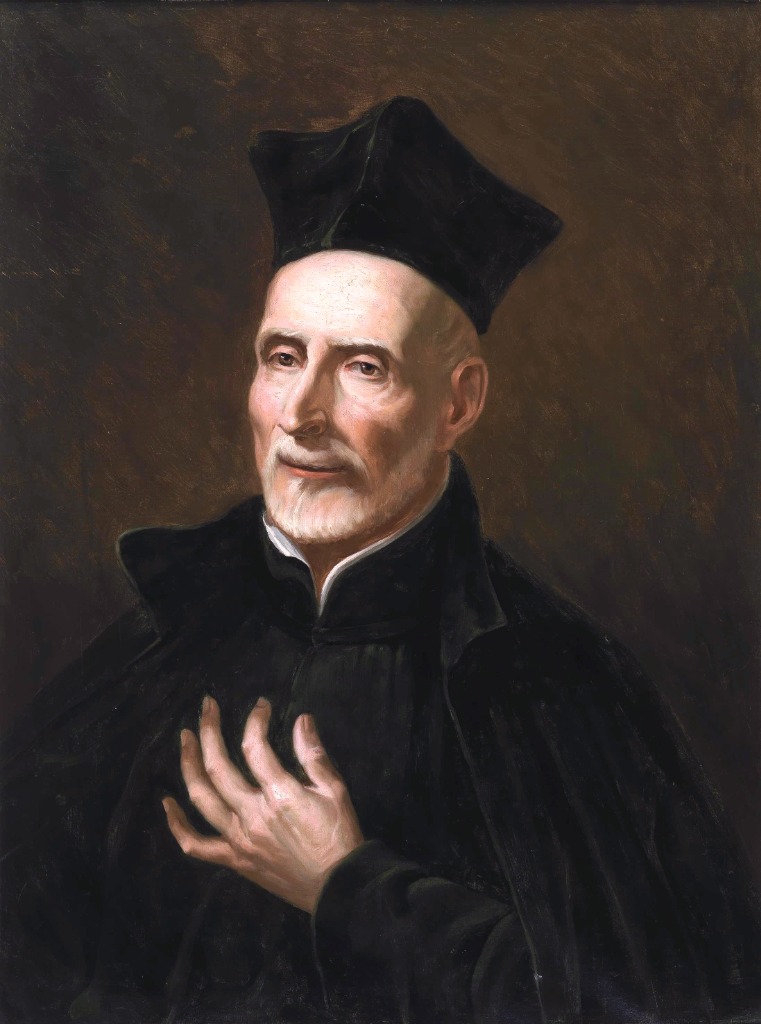
Authentic historical oil painting depicting St. Joseph Calasanz in the traditional clerical cassock, mantelletta, and biretta of the Order of the Pious Schools (Sch.P.).
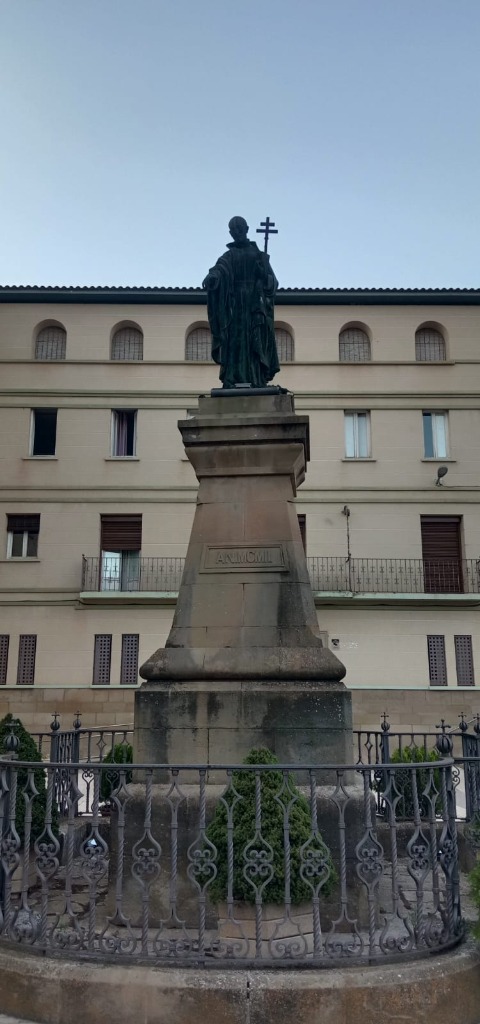
The historic public bronze statue and stone pedestal erected in Peralta de la Sal, birthplace of Calasanz, showing him holding the patriarchal double-cross crucifix.
The ancient 16th-century carved stone baptismal font in the Parish Church of Peralta de la Sal where St. Joseph Calasanz was baptized on September 11, 1557.
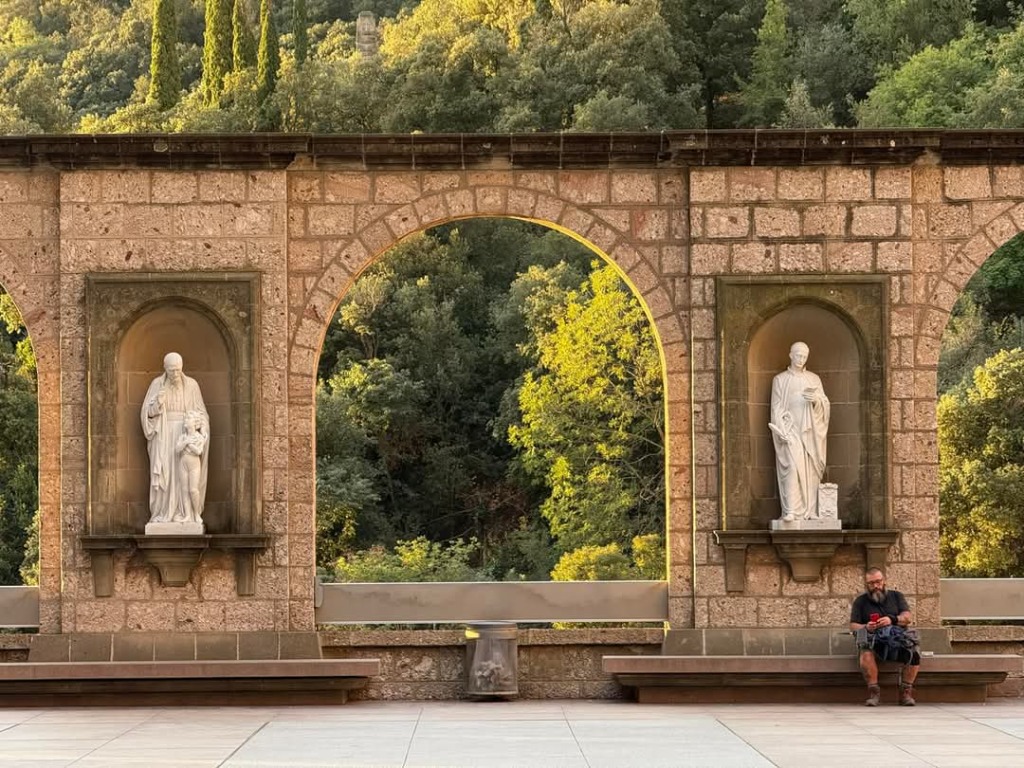
Sculpted marble monument of St. Joseph Calasanz teaching a young child, set in the historic stone arches of the Benedictine Abbey of Santa Maria de Montserrat.
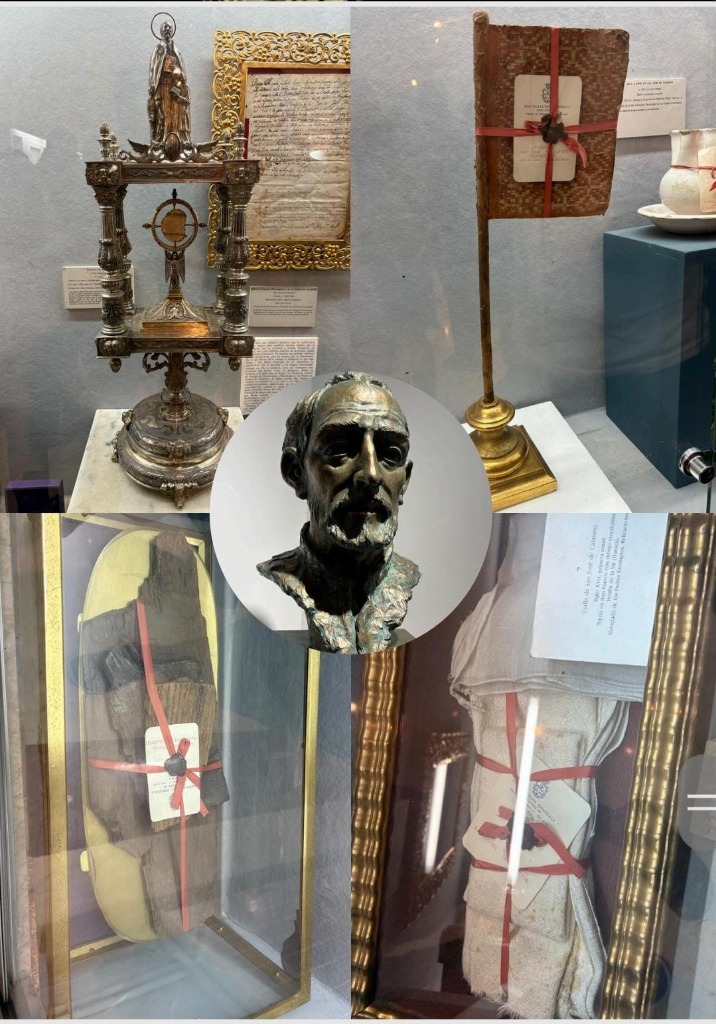
Preserved personal items and holy relics of St. Joseph Calasanz, including his bronze bust, handwritten letters, clerical linens, and ornate ceremonial reliquary.
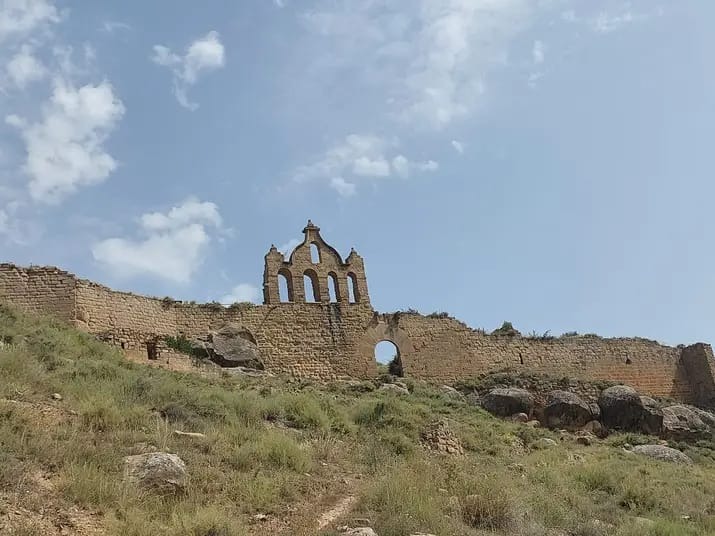
The ancient stone arches and ruined hilltop walls in Aragon where St. Joseph Calasanz was ordained to the holy priesthood on December 17, 1583.
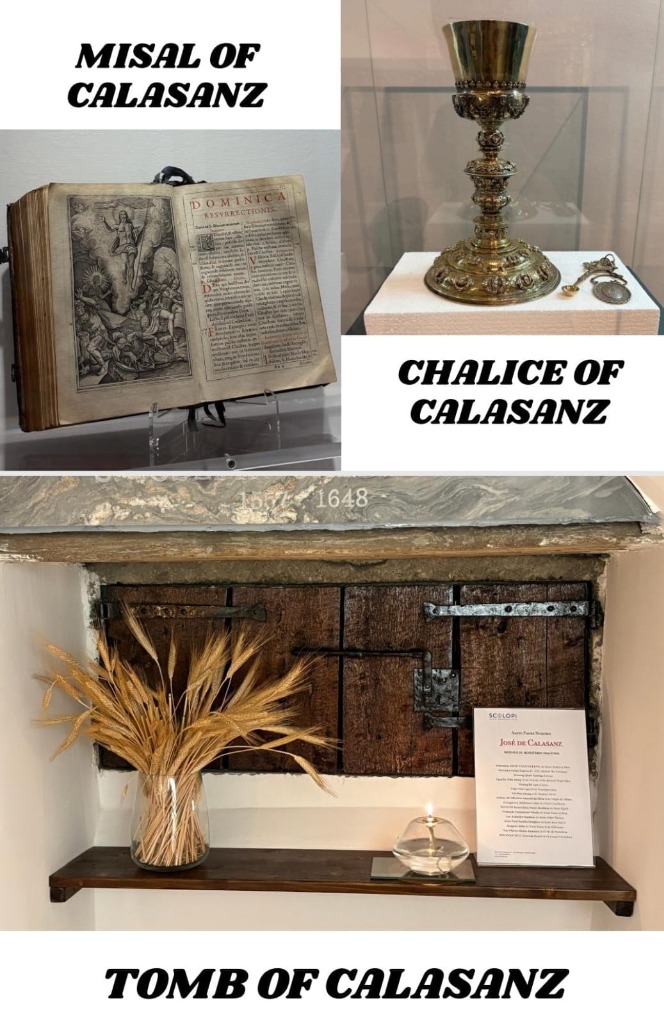
The personal Roman Missal and golden Eucharistic Chalice used by Calasanz during Holy Mass, alongside his sacred tomb shrine at San Pantaleo in Rome.
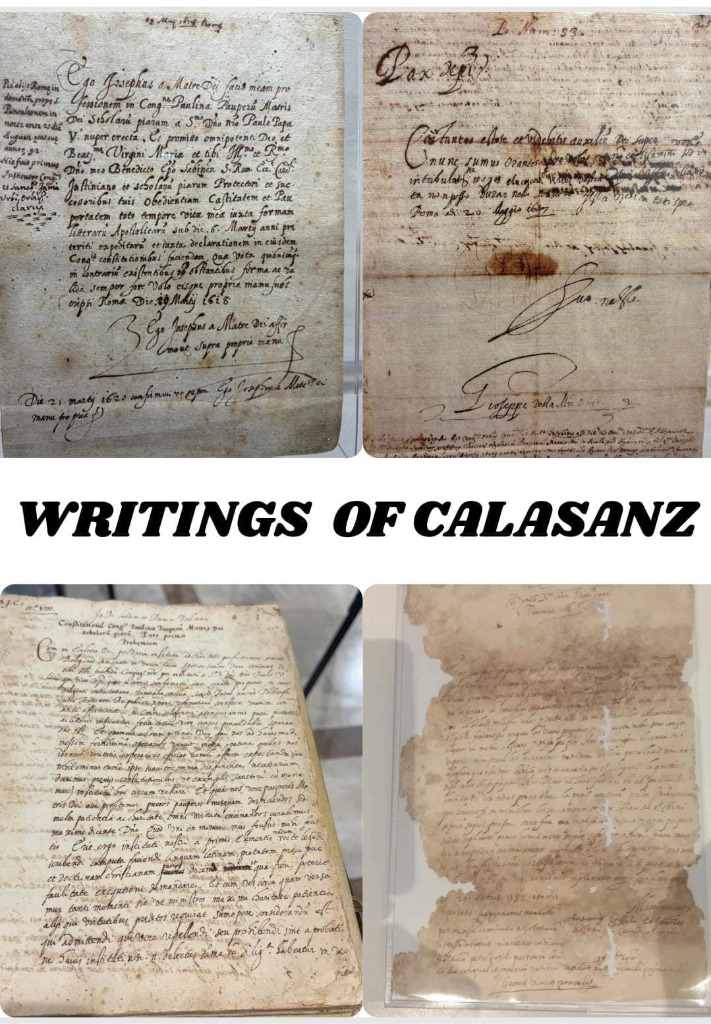
Rare autographed manuscripts by St. Joseph Calasanz containing his religious profession formula, early draft of the Constitutions, and instructions for the schools.
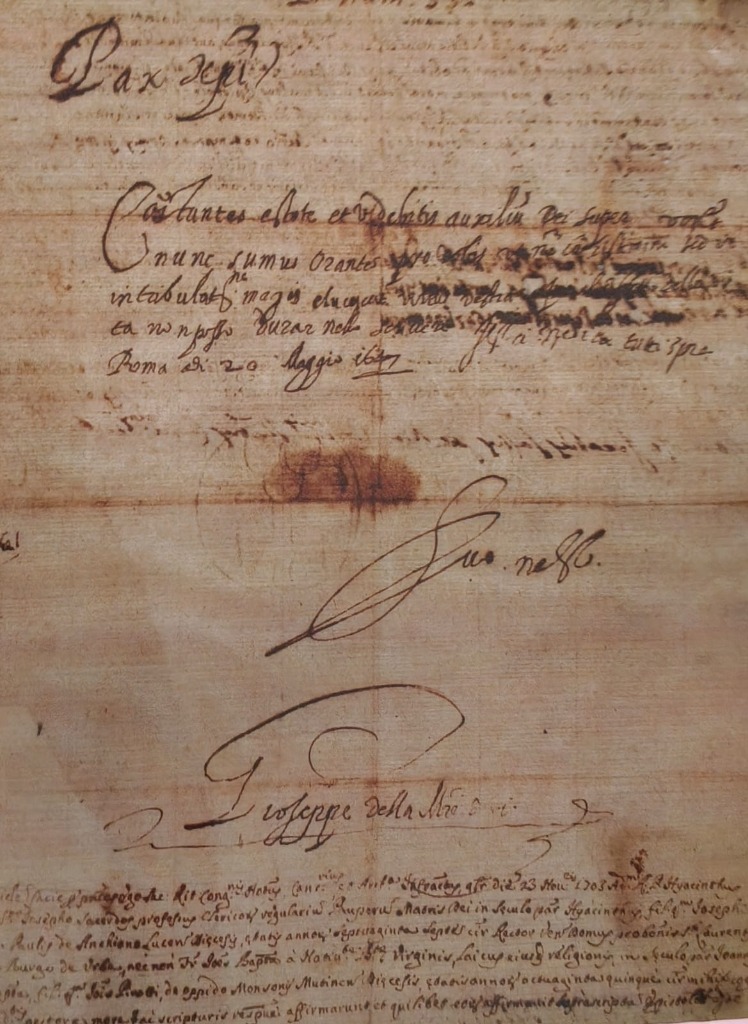
Historic handwritten letter by St. Joseph Calasanz opening with the greeting "Pax Christi" and bearing his authentic signature: "Gioseppe della Madre di Dio".
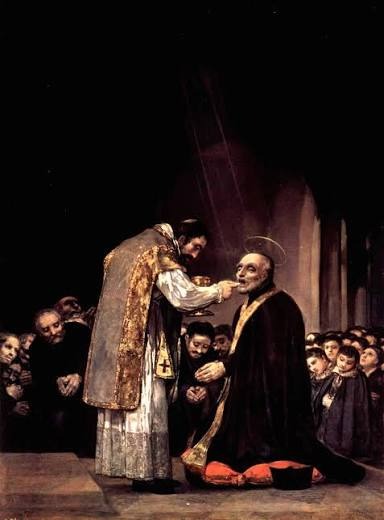
Renowned masterpiece by Francisco Goya (1819) depicting the 90-year-old saint receiving Viaticum surrounded by his community and beloved students.
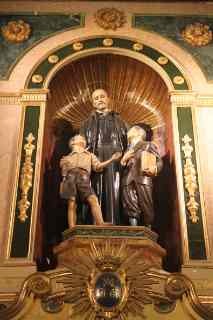
Historic sculpted statue of St. Joseph Calasanz with school children, enshrined inside the Sanctuary of Peralta de la Sal in Aragon, Spain.
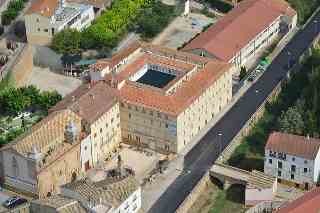
Aerial view of the historic sanctuary complex, birthplace shrine, and centuries-old olive grounds of Peralta de la Sal in Aragon, Spain.
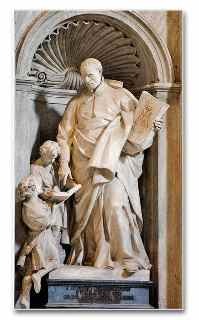
Monumental marble statue of St. Joseph Calasanz teaching young children, sculpted by Innocenzo Spinazzi in 1755 and enshrined in the nave niche of St. Peter's Basilica in the Vatican.
Born on September 11, 1557, to a noble Aragonese family. From childhood, he showed deep piety and intellectual promise.
Studied at the universities of Estadilla, Lérida, and Valencia. Ordained to the priesthood in 1583. Served brilliantly in the Diocese of Urgell, Aragon.
Leaving behind comfort and prestige, he follows an inner call to Rome. He witnesses firsthand the tragic neglect of poor children and begins to dedicate his life to them.
On November 28, opens Europe's first free public school for the poor in the sacristy of Santa Dorotea, Trastevere, Rome — with two teachers and no funding. Hundreds of children enroll within weeks.
Pope Paul V approves the Congregation of the Poor Clerics Regular of the Mother of God of the Pious Schools, giving canonical status to Calasanz's work.
Pope Gregory XV elevates the Congregation to a fully recognized Religious Order, with Calasanz as its first Superior General.
Calasanz endured persecution from within and without — false accusations, the suppression of the Order (1646), and personal humiliation. He accepted all with patience and forgiveness, saying "God knows the truth."
St. Joseph Calasanz died peacefully in Rome on August 25, 1648, at the age of 90, his whole life given to the poorest children of God.
Beatified in 1748 and canonized in 1767 by Pope Clement XIII. His feast day is celebrated on August 25.
Pope Pius XII declares St. Joseph Calasanz the "Universal Patron of All Christian Popular Schools in the World" — recognition of his foundational contribution to universal education.
To educate the young is to work for the future of the Church and of society.
— St. Joseph CalasanzBegin with prayer, and let your life be guided by the love of God and service to the poor.
— St. Joseph CalasanzGod knows the truth — let us serve with patience, trusting in His justice and mercy.
— St. Joseph CalasanzHe who instructs a child teaches not just one person, but all whom that person will ever touch.
— St. Joseph Calasanz